Choosing a honey oak stain for pine can transform light, knotty pine into a warm, timeless surface. This guide highlights five top stains that deliver honey-toned hues on pine, with practical notes on finish types, application, drying times, and how they interact with existing finishes. Each product is selected for color depth, ease of use, and compatibility with pine’s porous grain. Read on to compare options and find the best match for your project, whether furniture, cabinetry, or wood trim.
| Product | |||
|---|---|---|---|
| Minwax PolyShades – Quart Honey Pine, Satin | Honey Pine | Oil-based stain + polyurethane | Furniture, woodwork, doors |
| Minwax PolyShades – ½ Pint Honey Pine, Satin | Honey Pine | Oil-based stain + polyurethane | Small projects, trim, accents |
| Minwax PolyShades – Quart Honey Pine, Gloss | Honey Pine | Oil-based stain + polyurethane | Cabinets, furniture with gloss finish |
| Minwax Wood Finish – Golden Oak | Golden Oak | Oil-based stain | Interior staining on pine and oak blends |
| General Finishes – American Oak Gel Stain | American Oak | Oil-based gel stain | Heavy-bodied finish for wood tone and sheen |
Minwax PolyShades Honey Pine – Quart, Satin

Minwax PolyShades combines stain color with a polyurethane finish in one step, ideal for pine whose grain absorbs color quickly. The satin sheens offer a balanced, classic look without excessive gloss. It can be applied over bare wood or existing polyurethane finishes, allowing color changes without stripping previous coatings. Suitable for furniture, woodwork, doors, cabinets, and accessories. The oil-based formula penetrates the wood while delivering durable protection and a smooth, even appearance on pine’s porous surface.
Minwax PolyShades Honey Pine – ½ Pint, Satin

This smaller can is ideal for trim, small furniture projects, or touch-ups on pine. The ½ pint size reduces waste while still delivering the same color depth and polyurethane protection in one coat. Use on bare or previously finished pine to achieve a honeyed pine look with a satin sheen. The one-step approach simplifies projects where time and material efficiency matter, especially for hobbyists restoring knotty pine panels.
Minwax PolyShades Honey Pine – Quart, Satin

This gloss version of the honey pine PolyShades provides a more reflective surface, enhancing pine’s grain with a brighter, deeper honey tone. Like the satin variant, it blends stain color and polyurethane for a durable, long-lasting finish. It’s suitable for interior wood furniture, cabinetry, and doors, particularly when a shinier, more formal appearance is desired. The product remains versatile for overcoating existing polyurethane finishes if you want to refresh color without sanding.
Minwax Wood Finish – Golden Oak, Quart
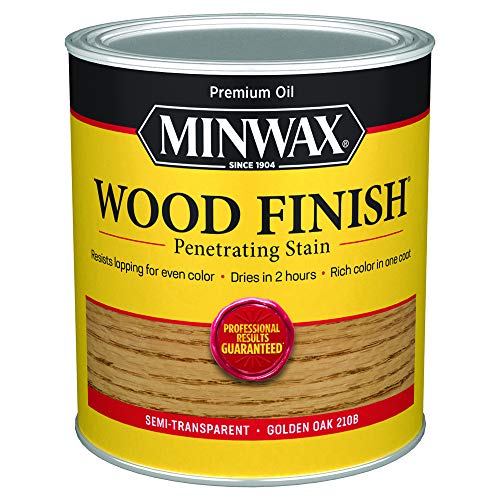
Golden Oak offers a rich, deep amber tone that pairs well with pine’s natural grain, yielding a warm, honeyed appearance. It’s an oil-based stain that deeply penetrates wood to achieve uniform color while highlighting wood grain. Drying typically occurs within a few hours, with recoat windows allowing deeper color. Apply with a cloth or brush along the grain, wipe off excess, and adjust color intensity with additional coats to achieve the desired honey oak effect on pine surfaces.
General Finishes Oil Base Gel Stain – American Oak, Pint

General Finishes Gel Stain uses a thicker, gel-based formula that sits on wood rather than soaking in as deeply as liquid stains. The American Oak hue creates a warm, honeyed tone that remains forgiving on pine, particularly for knot-heavy surfaces. Gel stains are ideal when you want more control over pigment depth and less blotching on soft pine. The finish dries to a lustrous, durable surface suitable for furniture and cabinetry where a refined honey oak look is desired.
Furniture Clinic Wood Stain – Natural Oak

Furniture Clinic’s Natural Oak is a water-based option offering fast drying and low odor, ideal for pine projects where exposure to fumes matters. It provides good penetration with a natural matte finish, which can emphasize the grain without a heavy gloss. This choice is well-suited for indoor furniture and decorative pieces, offering a consumer-friendly alternative to solvent-based stains while still delivering a warm honeyed oak appearance on pine.
Buying Guide: Key Considerations When Staining Pine For Honey Oak
Color depth and evenness: Pine’s porous grain can sip up stain unevenly. Choose products formulated to minimize blotching, or consider pre-treating with a conditioner to promote uniform color. For a honey oak look, test shade depth on a pine scrap with the same grain pattern.
Finish type and durability: Oil-based stains offer rich color and longer wear but require ventilation and longer cleanup. Gel stains provide better control on blotchy pine, with easier, slower absorption. Decide whether you prefer satin or gloss sheens, and consider if you want the stain to include a polyurethane protective layer.
Number of coats and color control: Some products are one-step stain-plus-polyurethane, which speeds up projects but limits color layering. If you want a deeper honey tone, be prepared to apply multiple thin coats, allowing proper drying between applications.
Surface preparation: For pine, light sanding (e.g., 220 grit) helps the stain penetrate evenly. Remove dust completely before applying. If the surface is previously finished, test adhesion and consider a light scuff sanding to allow better bonding.
Safety and odor considerations: Oil-based products emit stronger fumes and require adequate ventilation. Water-based stains are lower odor and easier cleanup but may dry faster, requiring quicker work. Choose based on your workspace and tolerance for odor while achieving the desired honey oak effect.
Maintenance and topcoats: After staining, decide if you will seal with a compatible topcoat. Some products include polyurethane in one step, while others require a separate clear coat. Ensure compatibility to prevent skinning or color shift over time.
In summary, pine responds well to honey oak tones when using these selected stains. Evaluate color depth, finish type, and application ease to select the best fit for your project, whether it’s a small furniture piece or a larger pine renovation.