Whether you’re firing PMC, silver clay, or glass-embedded metal clay, the right kiln can expand your creative possibilities. This guide highlights five top options, covering desktop electric kilns, microwave kilns, and PMC-specific tools. Each product is chosen for reliability, temperature control, and suitability for metal clay projects. Read on to compare capabilities, safety considerations, and what to look for when selecting a kiln for metal clay artistry.
Selected products at a glance:
| Product | Brand | Typical Use | Key Benefit |
|---|---|---|---|
| VEVOR Electric Kiln | VEVOR | Jewelry, metal clay, ceramic firing | Large internal chamber with PID control |
| Microwave Kiln Kits for Jewelry Making | TPGIFTING | Glass fusing, clay pottery at home | Compact, microwave-based, beginner-friendly |
| Alolti Microwave Kiln for Clay Pottery | Alolti | Glass fusion, clay melting | Professional-grade performance in a microwave form |
| Stainless Steel Firing Container | PMC Supplies LLC | PMC kiln firing | Durable container for PMC firing |
| Precious Metal Clay Stove Top Kiln | Brandname | Silver/gold clay pendants and rings | Stove-top firing convenience |
VEVOR Electric Kiln For Metal Clay And More

The VEVOR Electric Kiln is designed for professional desktop use, delivering a balance of portability and power. It features a large internal chamber and a 1500W heating element, enabling metal clays and wax casting to reach suitable firing temperatures efficiently. The kiln supports precise temperature control via a PID digital system, helping crafters reproduce consistent results across projects. Its robust construction and intuitive controls make it suitable for jewelry makers who require reliable performance for multiple simultaneous firings. Safety features and a clear digital readout help keep sessions smooth in studio or home settings.
Key considerations include temperature range and firing speed. The VEVOR unit can handle temperatures sufficient for many metal-clay applications, and its even heat distribution reduces hot spots that can mar delicate pieces. For best results with PMC or metal clay that requires specific glaze or sintering cycles, plan for slow ramp rates and preheating where appropriate. Users should also consider power availability, as a 1500W element will demand stable electrical supply during peak firings.
Microwave Kiln Kits For Jewelry Making
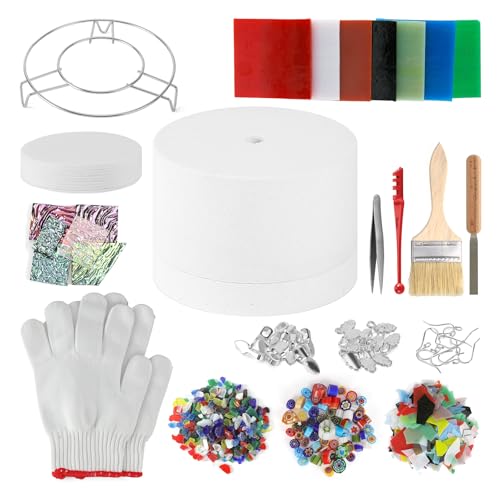
These Microwave Kiln Kits provide a compact solution for at-home glass fusing and clay projects, turning a standard microwave into a miniature kiln. They are designed for adults and emphasize safety with clear usage guidelines. The kit’s emphasis on high-temperature capability within a microwave cavity makes it convenient for hobbyists exploring metal clay finishing techniques that rely on rapid heating. Because it relies on your household microwave, it is best suited for small pieces, experiment work, and quick-turn projects rather than large-scale professional firing.
When using a microwave kiln, observe strict safety practices: dedicated microwave usage only, proper ventilation, and adherence to manufacturer temperature recommendations. Users should evaluate the kiln’s maximum temperature range, insulation quality, and how well it minimizes thermal shock to resin, glass, or metal clay pieces. Consider also the size of pieces you intend to fire and whether you’ll need multiple cycles or a larger form factor for batch work.
Alolti Microwave Kiln For Clay Pottery

The Alolti Microwave Kiln is pitched as a professional-grade solution for clay and glass projects that can be treated within a microwave environment. It advertises the ability to reach high temperatures suitable for true fusion and glass-kiln effects without a traditional electric kiln. This makes it appealing to home makers who value precision and range in a compact format. The listed features emphasize durability and heat-resilience, important for repeated use with metal-clay applications that demand stable firing cycles. As with any microwave kiln, safe operation requires adherence to its specific heat settings and ventilation requirements.
Ideal use scenarios include glass fusing, PMC-like finishes, and quick experiments with small components. Operators should verify the maximum firing temperature and ensure their microwave can safely accommodate the duty cycle. It’s also prudent to consider the size of items you plan to fire and whether you require an additional stage for finishing or glaze setting after the initial firing.
Stainless Steel Firing Container With Lid For PMC

This stainless steel firing container is designed to support PMC kiln firing in a practical, durable vessel. Its 3-inch diameter by 1.75-inch height dimensions suit small to medium PMC pieces, helping protect molds and slabs during the firing process. The stainless steel construction offers resilience against high temperatures and chemical exposures typical of metal-clay sintering. The lid helps contain heat and reduces the chance of glaze drippage onto kiln shelves, which is especially useful for hobbyists and studio setups that prioritize cleanliness and piece integrity during firing cycles.
Considerations for choosing a firing container include compatibility with your kiln type, insulation level, and how well it accommodates different PMC blends. If you frequently fire delicate pieces, ensure a snug lid fit and minimal gaps to maintain consistent heat. Also assess compatibility with tray setups or kiln shelves to fit your workflow with existing equipment.
Precious Metal Clay Stove Top Kiln Kit

This stove-top mini kiln is tailored for PMC silver and gold clay projects, enabling users to fire pendants and rings on a gas stove. It’s a hands-on option for crafters who prefer direct heat application without a full studio kiln. The kit includes a tray and a heat-distribution mesh to help manage uneven heating and to guide a controlled firing cycle. While not suitable for electric stoves, it offers a practical approach for small, detailed metal-clay items, especially for makers who want quick, on-demand sintering of finished pieces.
Key points to evaluate include stove compatibility, recommended firing temperatures, and the need for additional safety tools like heat-tolerant gloves and temperature monitoring. This approach is best for small batch projects, custom pendants, and rings where a precise, manual firing process yields desirable results without investing in a larger kiln system.
Buying Guide: Kiln Options For Metal Clay Projects
- Project scope and piece size: Larger pieces or batches benefit from a VEVOR-style desktop kiln with a roomy chamber, while small, individual pieces can use microwave kilns or stove-top solutions.
- Material compatibility: PMC, silver clay, glass-embedded clay, and wax-based casting each require different temperatures and firing profiles. Select a kiln that supports the target material’s sintering or firing range.
- Temperature control and consistency: Look for units with PID or digital controls for reproducible results. Stable heat distribution reduces the risk of warping or glaze issues in metal-clay firings.
- Safety and usage: Microwave kilns and stove-top options demand strict safety, proper ventilation, and adherence to manufacturer guidelines. Electric kilns should have interlocks, overheat protection, and clear operating manuals.
- Power and installation: Ensure electrical outlets and circuit capacity can support high-wattage kilns. For microwave kilns, use a dedicated microwave and ensure the unit is placed on a heat-resistant surface away from flammable materials.
- Durability and accessories: Firing containers and lids, kiln shelves, and kiln wash help protect kilns and pieces from glaze sticking, chipping, or sticking during firing cycles. Consider the availability of compatible accessories from the same brand or supplier.
- Maintenance: Cleaning, inspection of insulation, and replacement of wear parts (like lids and seals) extend kiln life and maintain firing quality. Regular calibration checks help maintain temperature accuracy over time.
- Safety guidelines: For all options, follow safety precautions for high temperatures, eye protection, gloves, and stable workspace. When using stove-top or microwave-based kilns, never leave firing pieces unattended.
Choosing the right kiln depends on your creative goals, budget, and workspace. For occasional, small-scale metal-clay projects, microwave kilns or stove-top options offer accessibility and speed. For serious jewelry making, a dedicated electric kiln with ample capacity and precise control provides the most consistent results across a broad range of materials. Always review product specifications, safety instructions, and community user feedback to ensure the kiln matches your workflow and safety standards.